

11 Grocery Store Items That Are Suddenly Super Expensive and Wrecking Your Budget
Grocery shopping used to be pretty straightforward. You’d grab your usual items, pay, and go home without thinking twice about the total.
But lately, your receipt probably looks more like a small car payment than a week’s worth of food.
Certain everyday items have jumped in price so much that shoppers are changing what they buy or skipping these products altogether.
From proteins and produce to pantry staples and drinks, grocery inflation has outpaced wages and forced many families to make tough choices at checkout.
The items hitting wallets hardest right now aren’t just luxury foods. They’re things you probably bought regularly without a second thought.
Understanding which products have seen the biggest price jumps can help you plan your shopping trips. Maybe it’ll help you stretch your budget a bit further, too.
This article may contain affiliate links, and we could receive a commission if you make a purchase.
1. Organic Chicken Thighs
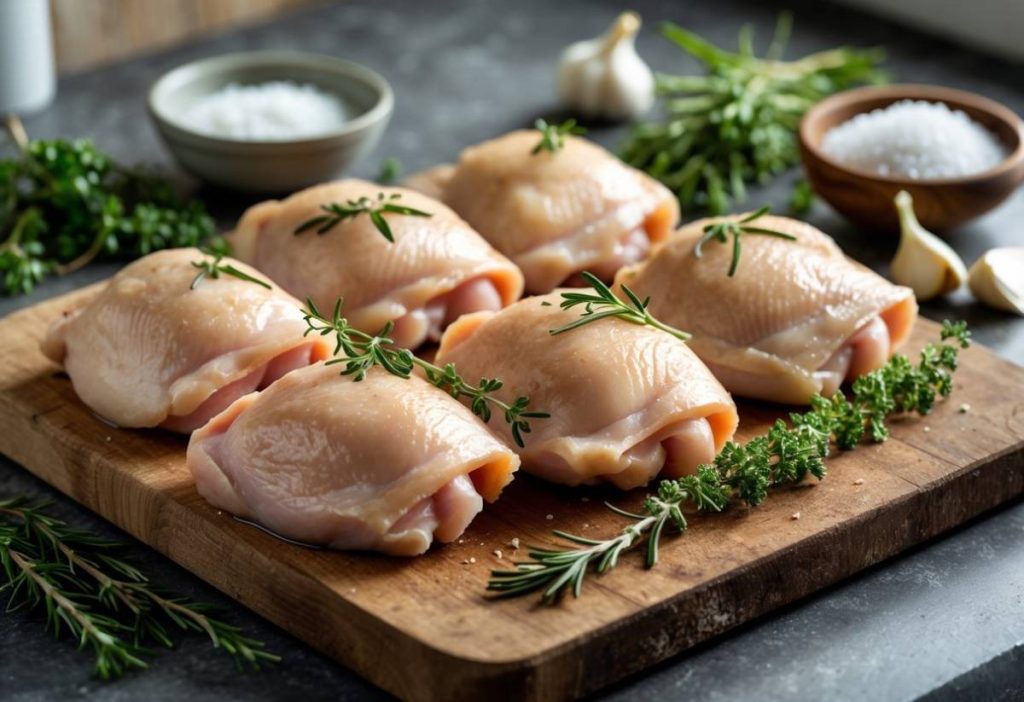
Your grocery bill might give you sticker shock when you reach for organic chicken thighs these days. These boneless, skinless cuts now cost around $10.49 per pound at some stores.
That’s $2 to $5 more than you’d pay at other grocery chains. It’s a hefty price tag for something that used to be a budget-friendly dinner option.
Organic boneless skinless chicken thighs at Whole Foods have become one of the most expensive basic ingredients you can buy.
The organic certification drives up the cost. Farms have to follow strict rules about how they raise the chickens and what they feed them.
But that doesn’t make it easier on your wallet when you’re planning weeknight meals. You might find better deals if you shop around.
Different stores charge very different prices for the same product. Some grocery chains are consistently more expensive than others when you compare basic items like chicken, eggs, and milk.
Consider buying conventional chicken thighs or looking for sales if the organic version stretches your budget too thin.
2. Avocado
Your beloved avocado toast just got a lot pricier. Thanks to new tariffs on Mexican imports, you might want to brace yourself for some serious sticker shock at the checkout.
Mexico supplies a huge chunk of America’s avocados. In fact, 47% of all fruits imported to the U.S. in 2023 came through Mexico.
The 25% tariffs that kicked in on February 1, 2025 are hitting avocados just in time for the Super Bowl. Some shoppers are already reporting prices of $2.50 per avocado in certain states.
Restaurants and grocery stores alike will likely raise prices on anything avocado-based. Your morning toast, your lunch salad, your taco Tuesday—they’re all about to cost more.
Since demand for avocados stays high no matter what, these inflated costs could stick around for months. One concerned shopper even posted that guacamole might soon be “more expensive than caviar”.
That’s probably an exaggeration, but your wallet will definitely feel the pinch.
3. Almond Milk
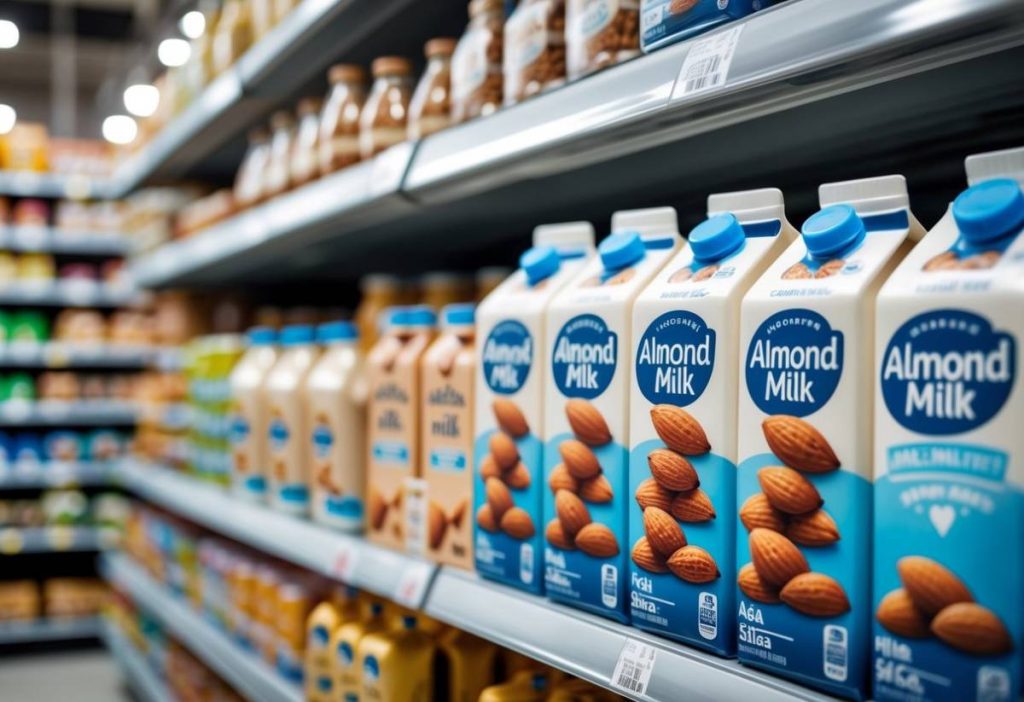
Your morning latte just got pricier, and almond milk is partly to blame. This popular dairy alternative has jumped in price recently, leaving regular buyers frustrated at checkout.
Kirkland Almond Milk has seen a price jump due to increased demand and supply chain issues. Production costs have also climbed, making it harder for brands to keep prices low.
You might remember when buying multiple cartons felt like a budget-friendly choice. Those days are fading fast.
Now you’re spending noticeably more for the same amount. Almond farming requires a lot of water, and climate issues have made production more expensive.
Transportation costs have also risen, adding to the final price you see on the shelf. If you’re trying to save money, you might want to consider other plant-based options.
Oat milk or soy milk sometimes cost less, depending on where you shop. Or you could try making your own almond milk at home if you have the time.
4. Quinoa
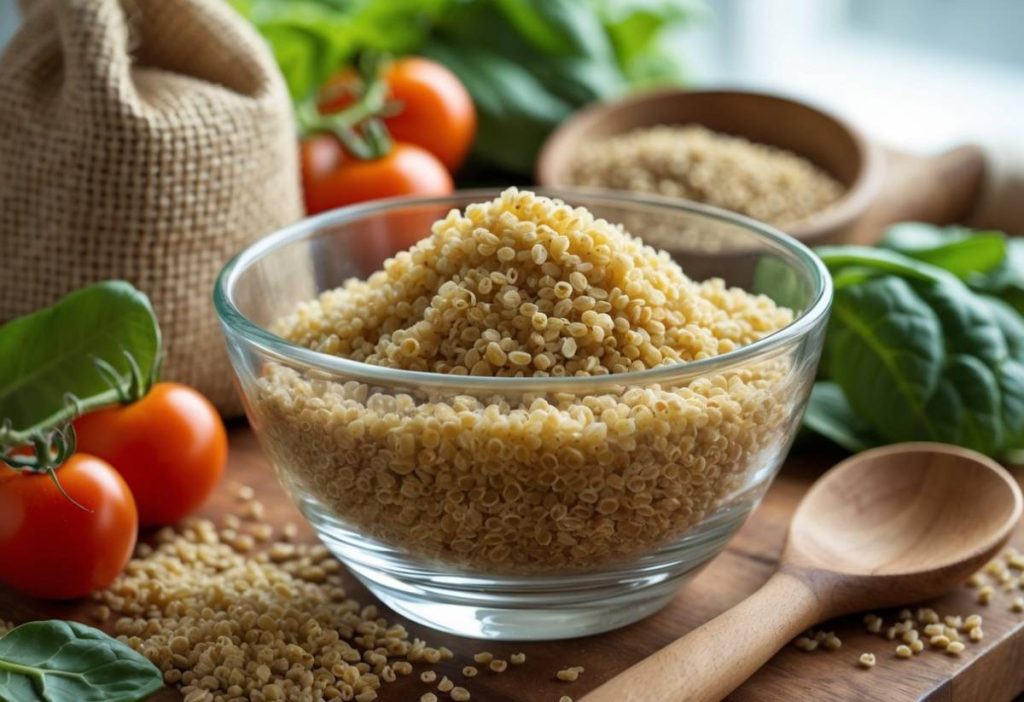
Remember when quinoa was just that trendy grain your health-conscious friend wouldn’t stop talking about? Now it’s the grain that’s eating your budget.
Quinoa prices have jumped significantly, and your wallet is feeling it. This protein-packed superfood used to be an affordable way to add nutrition to your meals.
The price increases come from multiple factors. Weather problems in South America, where most quinoa grows, have hurt crop yields.
Shipping costs have also gone up, making it more expensive to get quinoa from farm to store. You’re not alone if you’ve noticed quinoa is now one of the expensive items in grocery stores.
Many shoppers are walking past it in the bulk section these days. Regular brown rice gives you similar fiber and nutrients at a fraction of the cost.
Farro and barley work great too. They won’t drain your bank account while still giving you that whole grain goodness you’re after.
5. Ground Beef
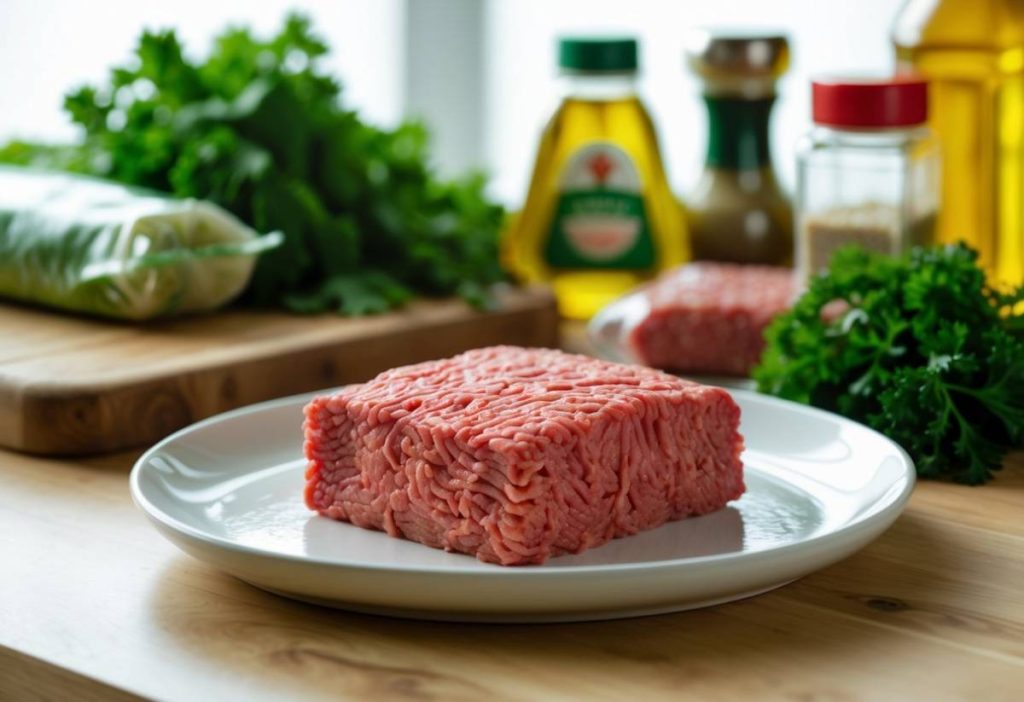
Your wallet is probably still recovering from your last trip to the meat section. Ground beef has become one of the most painful purchases at the grocery store.
Ground beef averaged $6.99 a pound recently, with prices up 11% in just one year.
Some experts predict you could see $10-a-pound ground beef in stores soon. The problem goes beyond normal inflation.
The U.S. cattle inventory has dropped to its lowest level in 60 years because of drought and other issues. Fewer cows means less beef to go around.
Shoppers bought only 0.2% more ground beef in recent weeks compared to last year. That’s a huge drop from the 4% increase the year before.
Many families are getting creative to make their meat stretch further. Hamburger Helper is making a comeback as people look for ways to turn one pound of beef into multiple meals.
6. Blueberries

Your favorite breakfast topping just became a luxury item. Blueberries have seen shocking price increases, with some stores charging over $6 for a single pint.
The problem starts with weather issues in major growing regions like Peru and Florida. Warmer temperatures delayed harvest times and reduced crop yields.
When supply drops, your wallet feels it. Picking blueberries requires tons of manual labor, which drives up costs.
Unlike other crops that use machines, high-quality fresh blueberries need human hands to harvest them properly. Port strikes made things worse too.
Container ships sat offshore for days, preventing fresh berries from reaching stores. These shipping delays left shelves empty and prices sky-high.
Your best bet? Check the frozen section. Frozen blueberries cost less because they don’t depend on fresh crop availability.
They’re just as nutritious and won’t break your budget.
7. Extra Virgin Olive Oil
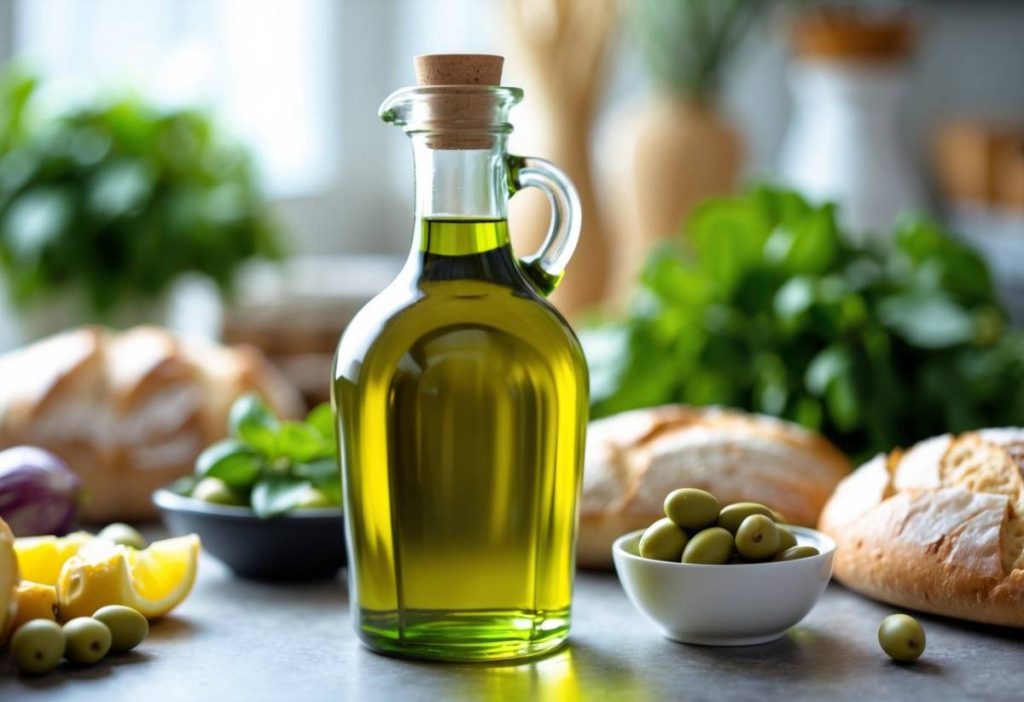
Your grocery bill just got a whole lot heavier thanks to that bottle of olive oil in your cart. Extra virgin olive oil prices have shot up dramatically over the past couple years.
A bottle of Bertolli that cost around $9 in October 2022 now rings up at $11—a 22 percent jump. Why the spike? Poor harvests are to blame.
Droughts and extreme weather in major olive-growing regions have crushed supply while demand stays high. You don’t need to break the bank for quality oil.
Whole Foods 365 Organic Extra Virgin Olive Oil beat out pricier options in taste tests. Aldi’s Simply Nature organic version also performs well against premium brands.
Your best bet for savings is buying in bulk at warehouse stores like Costco or Sam’s Club. You’ll pay less per ounce, though you’ll need storage space.
Just make sure you’re buying real olive oil and not blended products that cut corners with cheaper oils.
8. Kombucha
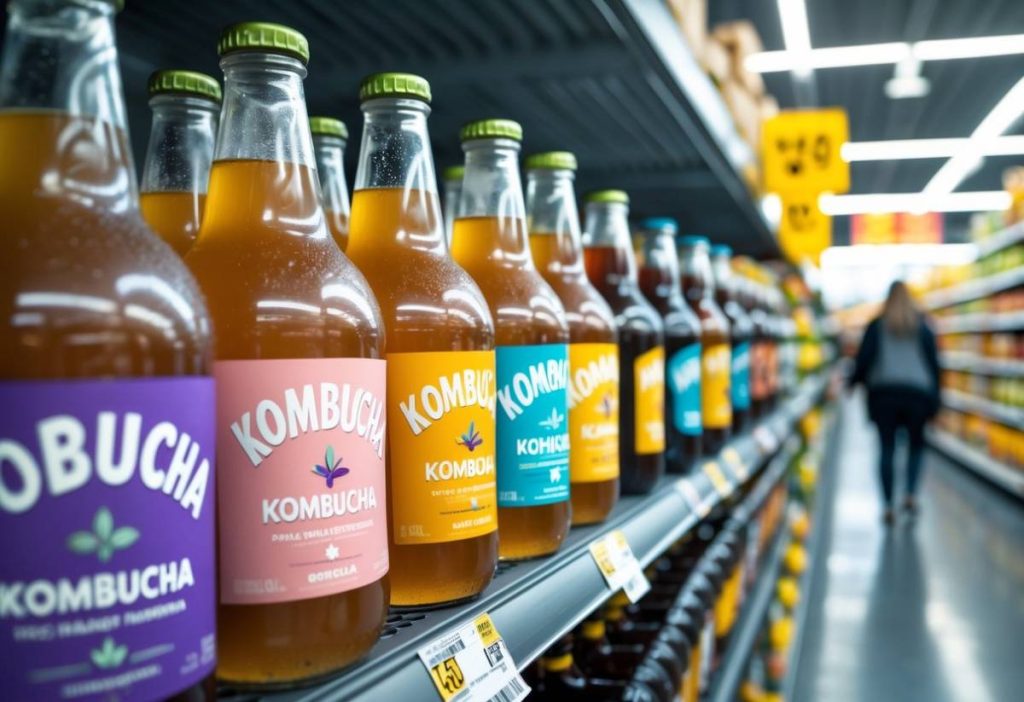
You’ve probably noticed that kombucha has become shockingly expensive at your local grocery store. A single bottle can set you back $4 to $6, which is wild for what’s basically fermented tea.
The brewing process drives up the price. Kombucha takes weeks to ferment, and it needs specific temperatures and careful handling.
The live probiotics and organic ingredients add more cost. Your wallet takes a hit because stores need to keep kombucha refrigerated.
That adds extra costs for storage and transportation. The glass bottles aren’t helping either—they’re heavier and more expensive to ship than plastic.
Kombucha used to be a niche health drink. Now everyone wants it, but the production process hasn’t gotten faster or cheaper.
Brands are charging premium prices because people keep buying it despite the cost. You might be paying for the health benefits, but you’re also paying for the trendy factor.
If you’re committed to your kombucha habit, consider brewing your own at home. It’s easier than you think and costs a fraction of store prices.
Take a look at this complete Kombucha Home Brewing Kit on Amazon.
9. Alaskan Wild Salmon
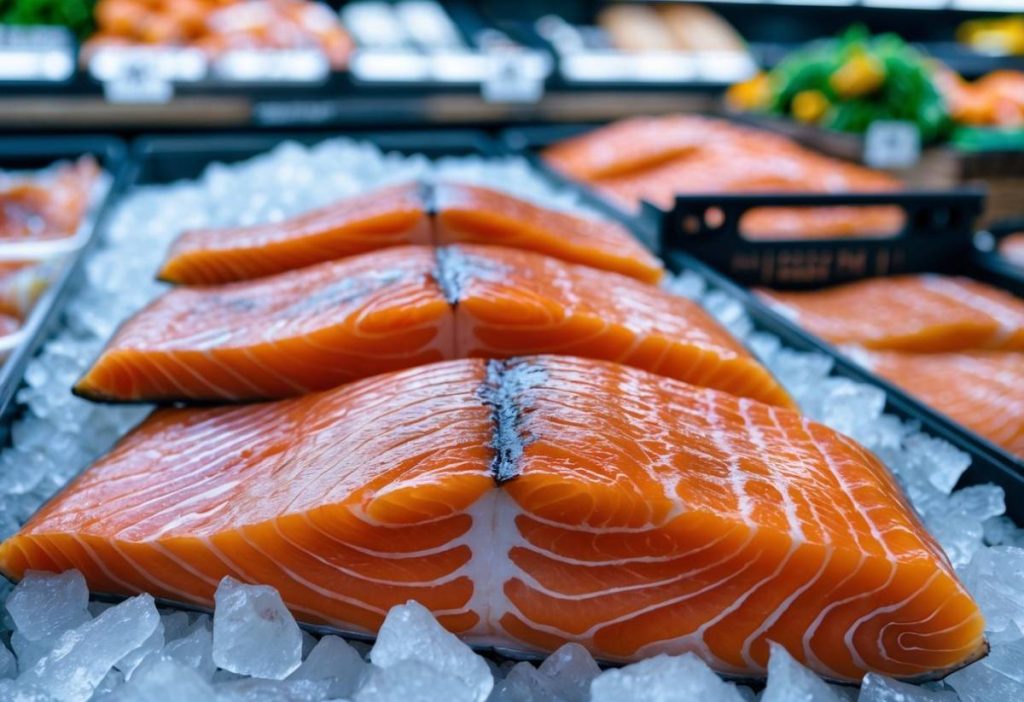
Your favorite fish dinner just got a lot pricier. Wild Alaskan salmon has jumped in cost so much that many shoppers are switching to cheaper options like tilapia or canned tuna.
King salmon can cost between $28 and $38 per pound at your local grocery store. Some high-quality varieties even reach $70 per pound.
Several factors hit at once to drive up the price. Supply chain issues keep pushing costs up, and transportation expenses have risen sharply.
Overfishing concerns also play a role in the higher prices you see at checkout. Even canned salmon at Costco has gotten noticeably more expensive.
If you relied on it for quick meals or keeping your pantry stocked, your budget is feeling the squeeze. Wild-caught varieties cost more than farmed salmon because they’re harder to find.
The fish’s high fat content and large size add to the expense. Your wallet might prefer the Atlantic salmon instead, but even that option isn’t as cheap as it used to be.
10. Free-Range Eggs
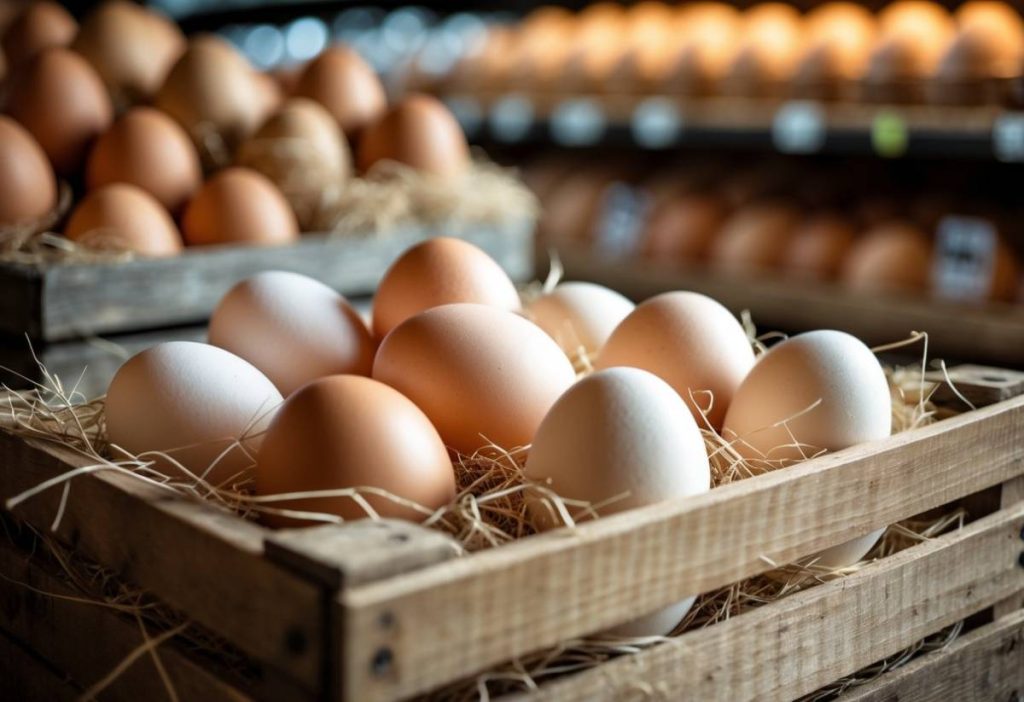
You might think all eggs are equally expensive right now, but free-range varieties are hitting your wallet especially hard. While egg prices jumped 53% compared to last year, free-range options cost even more because of how they’re produced.
Free-range hens need more space to roam around outdoors. This means farmers have higher costs for land, labor, and feed.
When bird flu outbreaks happen, these farms often get hit harder because the disease spreads more easily when birds have outdoor access. Here’s the weird part: some shoppers noticed their usual organic free-range eggs stayed around $5 while regular eggs in foam containers jumped to $12 or $15.
The price differences depend on where you shop and which brands your store carries. Supply chain problems make things worse too.
Getting eggs from farms to stores costs more now, and those extra expenses show up in your grocery bill. If you’re committed to buying free-range, you’re paying a premium for both the production method and the complicated journey to your local store.
11. Hass Bananas
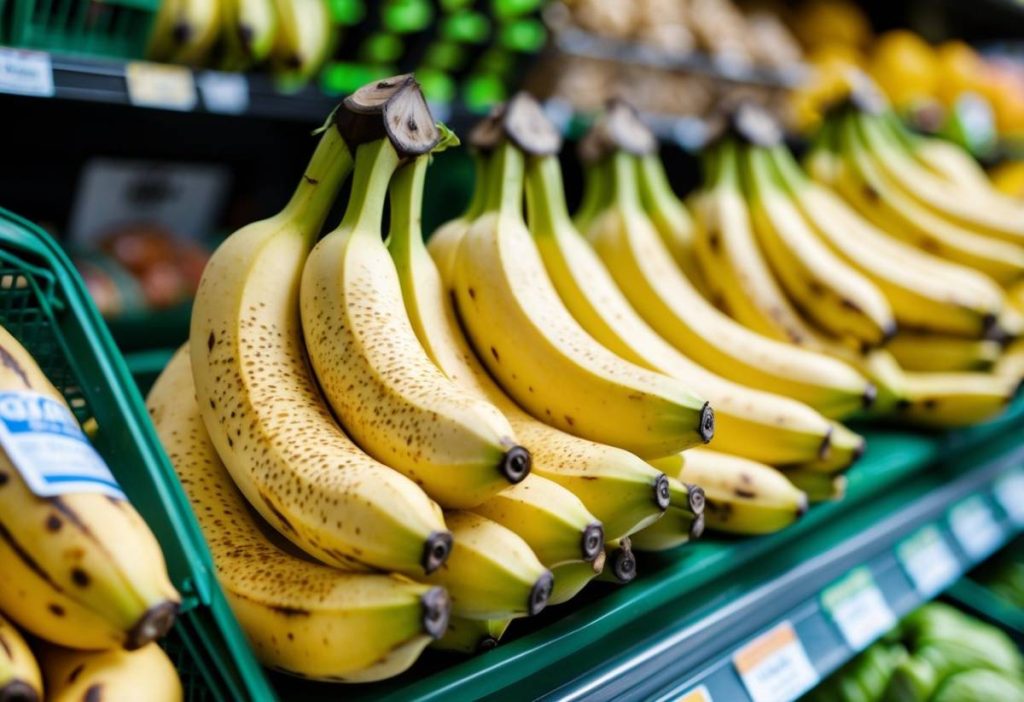
Your banana budget is taking a hit. These yellow staples that used to be dirt cheap are now costing you more with each grocery run.
Tariffs are making imported staples like bananas more expensive. The U.S. doesn’t really grow bananas, so you’re paying extra for fruit shipped from far away.
Bananas used to be the go-to cheap fruit. You could grab a bunch without thinking twice about your wallet.
The price jump might not seem huge at first. But when you buy bananas every week, those extra cents add up quickly.
Your monthly grocery bill feels it. You might start looking at other fruits or skipping bananas altogether.
Some shoppers are buying fewer bunches or waiting for sales. Others are switching to frozen fruit for smoothies since it often costs less per serving.
The banana aisle isn’t what it used to be. What once felt like a guaranteed bargain now makes you pause and wonder if it’s really worth it.
Please let us know in the comments which items have exploded in price in your local grocery store!