

Best and Worst Times to Drink Water: What Science Reveals
Most people don’t think twice about when they drink water throughout the day. They grab a glass whenever they feel thirsty or remember to hydrate. But the timing of water consumption can actually affect how the body processes it and responds to it.
Drinking water at certain times—like right before bed, during meals, or immediately after intense exercise—can lead to disrupted sleep, weakened digestion, or uncomfortable bloating. These aren’t life-threatening issues for most people, but they can cause daily discomfort that’s easy to avoid. The body processes water differently depending on what else is happening at that moment.
Understanding the science behind hydration timing helps people make smarter choices about their water intake. Small adjustments to when someone drinks water can improve energy levels, digestion, and sleep quality. The key is learning which times work best for the body’s natural rhythms.
The Science of Water Timing
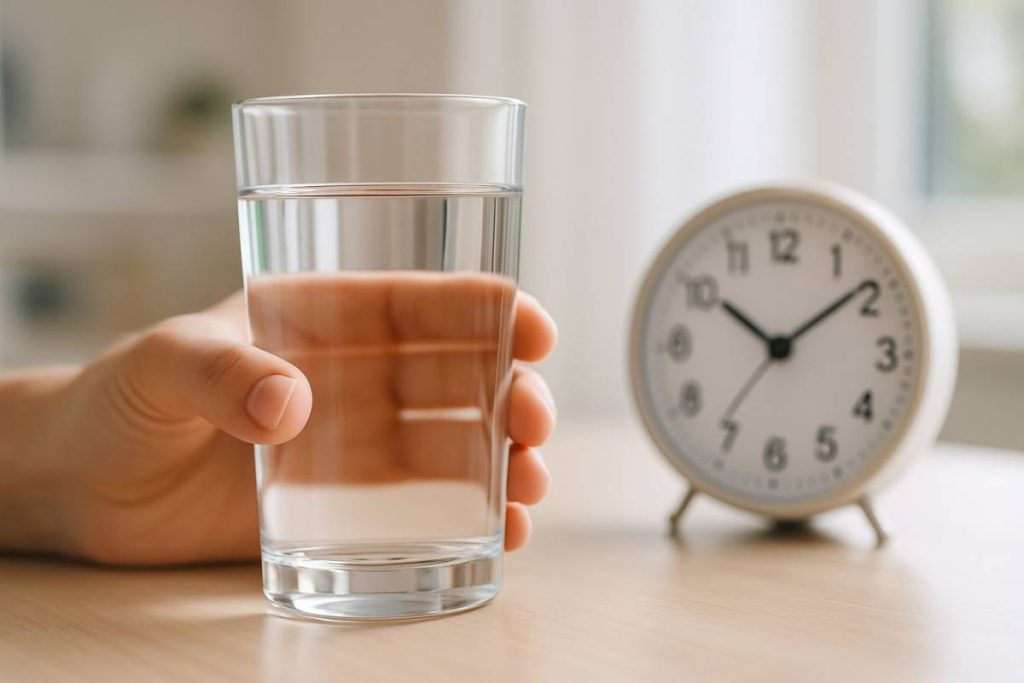
When someone drinks water affects how their body processes it, from stomach acid levels to cellular absorption rates. The timing influences digestive enzyme function, nutrient uptake efficiency, and even stress hormone production.
Digestive System Reactions
Water consumed during meals dilutes stomach acid and digestive enzymes. This dilution slows down the breakdown of food, which can lead to bloating and incomplete digestion. The stomach needs concentrated gastric juices to properly process proteins and activate digestive enzymes.
Drinking water 30 minutes before eating primes the digestive system without interfering with the process. The body has time to absorb the water and prepare digestive fluids at full strength. Studies suggest this timing supports better nutrient absorption and reduces common digestive discomfort.
Water immediately after meals creates a similar dilution problem. The stomach is already working to break down food with its carefully balanced acid levels. Adding a large volume of water forces the digestive system to work harder and longer to complete its job.
Hydration and Absorption Rates
The small intestine absorbs water at different rates depending on what else is present in the digestive tract. On an empty stomach, water moves through quickly—often within 5 to 15 minutes. With food present, absorption slows significantly as the body prioritizes breaking down nutrients.
Cold water takes longer to absorb than room temperature water. The body must first warm it to core temperature before cells can use it effectively. This delay doesn’t harm anyone, but it means hydration happens more slowly.
The body absorbs small amounts of water more efficiently than large volumes at once. Drinking 8 ounces spreads throughout tissues better than chugging 32 ounces, which often leads to increased urination as the kidneys flush out excess.
Hormonal Responses
Drinking water triggers the release of vasopressin, an antidiuretic hormone that helps the body retain fluid. When someone drinks at night, especially within two hours of sleep, vasopressin production drops during rest. This leads to more bathroom trips and disrupted sleep cycles.
Morning hydration jumpstarts cortisol regulation. Cortisol naturally peaks in the morning, and water helps flush out overnight toxins while supporting the hormone’s positive effects on alertness. Dehydration amplifies cortisol’s stress response instead.
Water intake before physical activity affects adrenaline and other performance hormones. Proper hydration 30 minutes before exercise helps these hormones function optimally, improving endurance and recovery.
Risks of Drinking Water at Inopportune Moments

Drinking water at the wrong times can interfere with the body’s natural processes, from slowing down digestion to disrupting sleep cycles. The timing of water intake affects how efficiently the body absorbs nutrients and maintains its rhythms.
Interference with Digestion
Drinking large amounts of water right before or during meals can dilute stomach acid and digestive enzymes. This makes it harder for the body to break down food properly.
The stomach needs concentrated digestive juices to work at full capacity. When someone drinks too much water with their meal, they basically water down these important fluids. This can lead to slower digestion and that uncomfortable bloated feeling afterward.
The best approach is to drink water about 30-45 minutes before eating. This gives the body time to hydrate without interfering with the digestive process. Small sips during meals are fine, but chugging a full glass while eating can cause problems.
People who drink excessive water during meals may notice their food sits heavy in their stomach longer than usual. They might also experience more gas and discomfort as their body struggles to process food with diluted digestive fluids.
Sleep Disruptions
Drinking too much water in the evening hours forces the body to wake up multiple times during the night for bathroom trips. These interruptions prevent people from reaching the deeper stages of sleep their bodies need for recovery.
Quality sleep requires uninterrupted cycles that last about 90 minutes each. When someone has to get up to use the bathroom, they reset this cycle and miss out on restorative rest. Even one nighttime bathroom trip can affect how refreshed they feel in the morning.
Most people should stop drinking large amounts of water 2-3 hours before bedtime. They can still take small sips if thirsty, but downing a full glass right before bed practically guarantees a midnight wake-up call. This becomes especially important for older adults, who already tend to have lighter sleep patterns.
Impact on Physical Performance
Drinking too much water right before exercise can cause cramping and that sloshing feeling in the stomach. The body diverts blood to the digestive system to handle the water, taking it away from the muscles that need it during activity.
Athletes need to time their hydration carefully. Drinking 2-3 hours before exercise allows the body to absorb the water and get rid of excess through urination. Then taking small amounts during activity keeps performance steady without causing stomach issues.
Drinking too little water before physical activity is equally problematic. Dehydration reduces endurance and makes the heart work harder. The sweet spot involves regular hydration throughout the day rather than trying to catch up right before a workout.
Optimal Times to Drink Water—And Why Timing Matters
The body processes water differently depending on when a person drinks it. Strategic timing can enhance digestion, boost energy levels, and support physical performance.
Before, During, and After Meals
Drinking water about 30 minutes before a meal helps prepare the digestive system and can reduce overeating by creating a sense of fullness. This pre-meal hydration also ensures the body has enough fluid to produce digestive enzymes and stomach acid.
During meals, small sips are fine, but gulping large amounts can dilute stomach acid and slow digestion. The key is moderation—a glass or less alongside food won’t cause problems for most people.
After eating, it’s smart to wait at least 30 minutes before drinking large amounts of water. This gives the stomach time to break down food properly. The digestive process works best when stomach acid maintains its concentration, and flooding the system immediately after meals can interfere with this natural process.
During Exercise
Physical activity increases water loss through sweat and breathing. The body needs hydration before, during, and after workouts to maintain performance and prevent dehydration.
Drinking 17-20 ounces of water 2-3 hours before exercise helps ensure proper hydration. Another 8 ounces about 20-30 minutes before starting gives the body a fluid reserve. During the workout, aim for 7-10 ounces every 10-20 minutes, especially during intense or prolonged sessions.
Post-exercise hydration replaces what was lost through sweat. A person should drink 16-24 ounces of water for every pound lost during the workout.
Upon Waking and Before Bed
The body loses water overnight through breathing and sweating. Drinking 1-2 glasses within 30 minutes of waking rehydrates the system, kickstarts metabolism, and helps flush out toxins that accumulated during sleep. This morning habit can improve alertness and support healthy bowel movements.
Before bed, the timing gets trickier. Drinking water an hour or two before sleep allows for proper hydration without causing middle-of-the-night bathroom trips. A small glass is usually enough—the goal is to maintain hydration without disrupting sleep quality.
